-
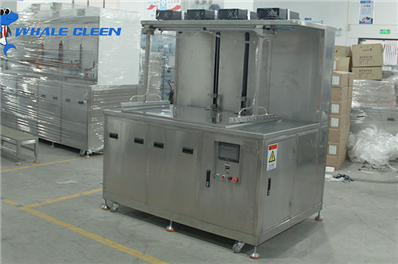 Ultrasonic Cleaning of Metal Electronic Components: Enhancing Performance and Reliability
The cleaning of metal electronic components is a critical process in manufacturing and maintenance industries to ensure optimal performance and reliability. Among the various cleaning methods available, ultrasonic cleaning machines have proven to be highl
-
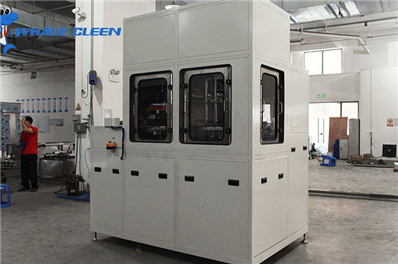 The Superior Performance of Ultrasonic Cleaners: A Game-Changer in Industrial Cleaning
In the realm of industrial cleaning, ensuring equipment and components are thoroughly cleaned is critical for maintaining efficiency, preventing breakdowns, and ensuring safety. Traditional cleaning methods, such as manual scrubbing or chemical treatments
-
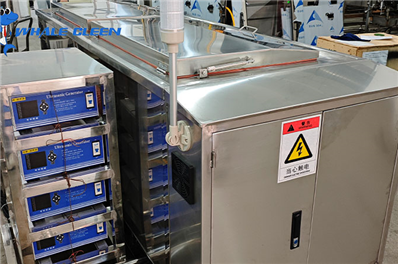 The Power of Innovation in the Cleaning Industry: A Comprehensive Analysis of Ultrasonic Cleaning Machines
Introduction to Ultrasonic Cleaning Technology The cleaning industry has witnessed remarkable transformations over the years, driven by the continuous evolution of technology. Among the cutting-edge innovations reshaping this sector, ultrasonic cleanin
-
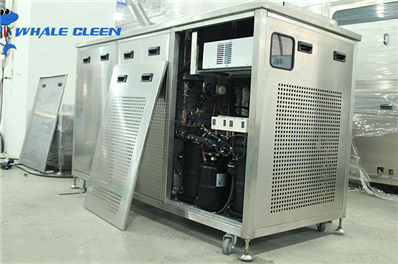 Ultrasonic Cleaning Equipment: Enhancing Cleaning Efficiency in the Electronics Industry
The electronics industry demands precision and cleanliness to ensure the optimal performance of components. Contaminants such as dust, oils, and residues can adversely affect electronic devices, leading to malfunctions or reduced lifespans. Traditional cl
-
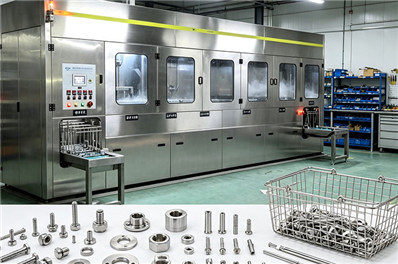 Breaking the Cleaning Bottleneck in Nickel and Gold Plating Lines with Whale cleen Ultrasonic Technology
In high-value surface finishing shops, nickel and gold plating lines demand the highest levels of surface cleanliness. A single fingerprint, a microscopic film of stamping oil, or a speck of polishing compound left on a component will manifest as blisteri
-
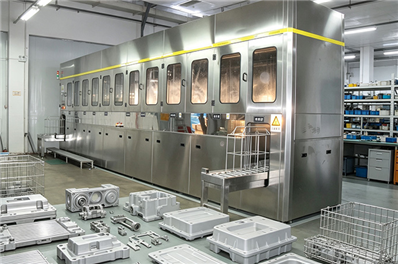 How Many Types of Electroplating Hardware Blanks Can One Ultrasonic Cleaning Machine Handle?
Walk into any hardware electroplating facility, and you will see a staggering variety of workpieces moving through the production line. Stamped brackets, machined housings, threaded fasteners, die-cast components, precision turned parts—each with its own
-
 How to Thoroughly Remove Micro‑Pore Contaminants in Hydraulic Components? This Ultrasonic Equipment Has Become the Industry Standard
In hydraulic system manufacturing, there is a scenario that plays out repeatedly in quality inspection rooms: A valve body passes every dimensional check, assembles perfectly, and ships to the customer. Then, after a few hundred operating hours, the syste
-
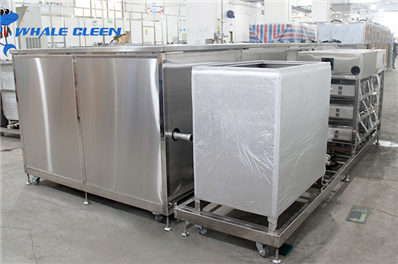 The Same Circuit Board, Different Results: Why Leading Electronics Manufacturers Are Switching to Industrial Ultrasonic Automatic Cleaning Machines
Look at the two PCBs. The first was cleaned with a manual brush and solvent dip. The second came from a fully automated ultrasonic cleaning line. To the naked eye, they look identical—solder joints shining, surfaces spotless, ready for assembly. But un
-
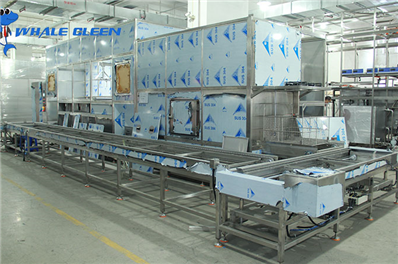 Hydraulic Valve Body Dead‑End Grease Is Hard to Remove – What Are the Practical Ultrasonic Cleaning Tips?
In any hydraulic system, the valve body is the command center. Its internal network of intersecting oil channels, precision spool bores, and tiny flow passages directs the flow, pressure, and direction of hydraulic fluid. A single valve body may contain d
-
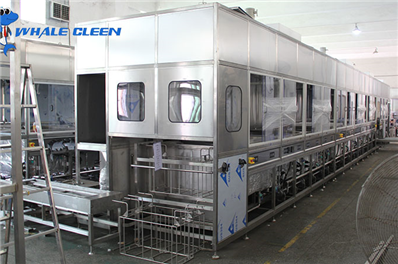 Precision Metal Stamping Parts Cleaning: Key Ultrasonic Equipment Selection Points — Why Whale Cleen Delivers Consistent, Damage‑Free Results
In high‑volume metal stamping production, cleaning is a process that is often underestimated—until it becomes the bottleneck. Stamped parts emerge from the press coated with heavy stamping oil, microscopic metal fines, and occasionally coolant residues. L
-
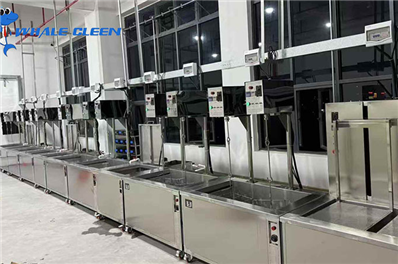 Vacuum Coating Pre-Cleaning: Dedicated Ultrasonic Cleaning Machines – A Head-to-Head Brand Comparison
In vacuum coating processes such as PVD (Physical Vapor Deposition) and CVD (Chemical Vapor Deposition), the quality of the final coating is directly determined by the cleanliness of the substrate. A single speck of oil, a microscopic particle, or a resid
-
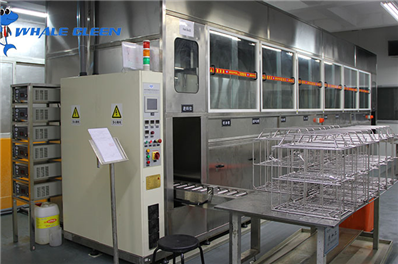 High-Cost-Performance Industrial Ultrasonic Cleaning Machine Brands: Avoid Common Selection Mistakes
In the world of industrial manufacturing, ultrasonic cleaning has become an essential process for ensuring product quality. From automotive parts and precision molds to metal components and electronic assemblies, the demand for reliable, efficient, and co